
All-on-4 in Elk Grove Village, IL: A Patient’s Guide to Full-Arch Dental Implants

Living with many missing or failing teeth can affect much more than a smile. It may make eating difficult, change the way a person speaks, and create anxiety in social situations. Removable dentures can help, but some patients want teeth that feel more stable during everyday activities.
All-on-4® is a full-arch tooth replacement option that uses dental implants to support a fixed bridge. For patients researching All-on-4 in Elk Grove Village, IL, understanding the treatment process can make the first consultation feel more comfortable and productive.
This article provides general educational information and is not a diagnosis or treatment recommendation. A dentist must evaluate oral health, medical history, bone anatomy, and personal goals to determine whether implant treatment is appropriate.
What Is All-on-4?
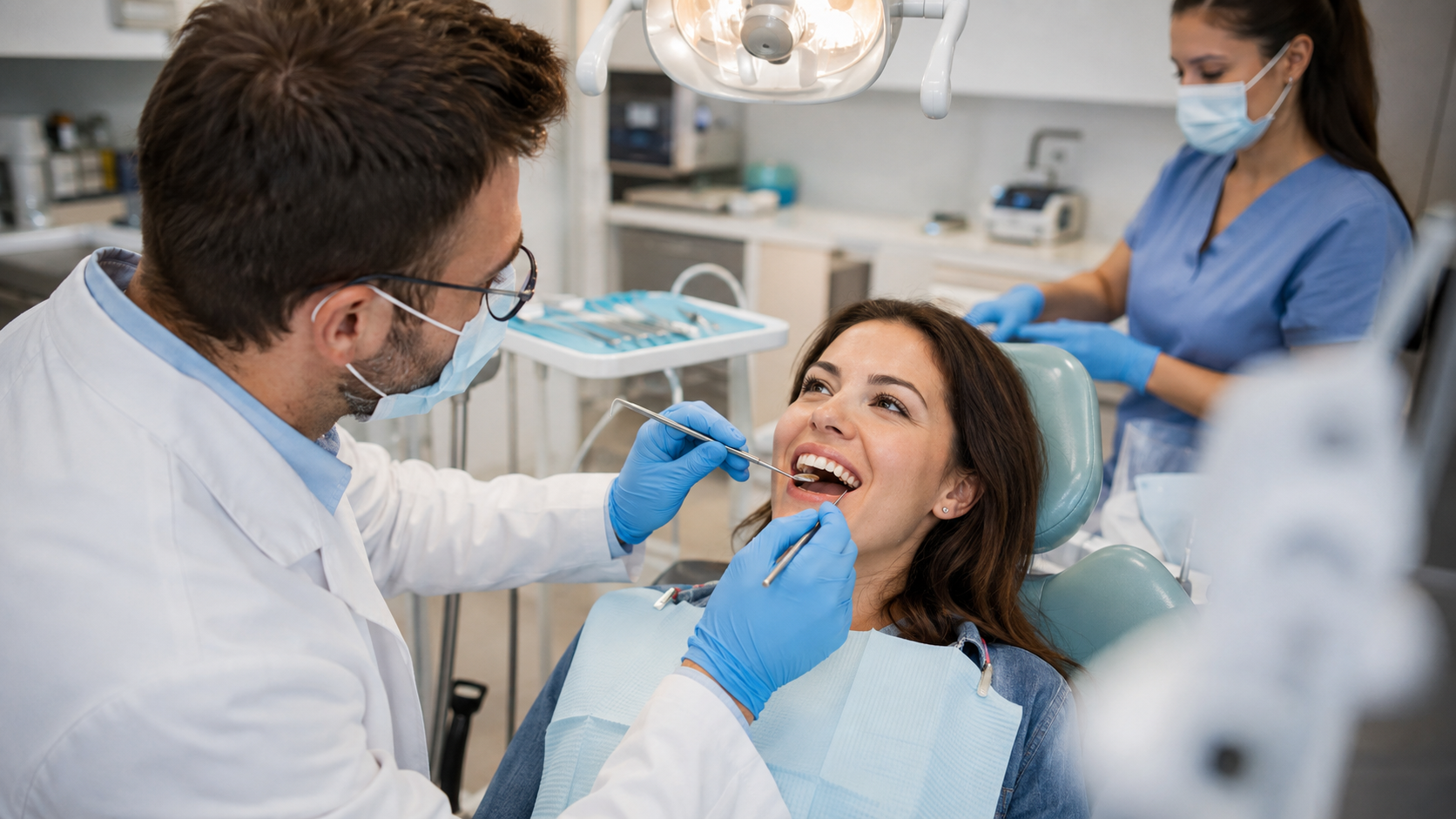
All-on-4 is a treatment concept designed to replace an entire upper or lower row of teeth. Rather than placing one implant for every missing tooth, the dentist positions a small number of implants—often four—to support a full-arch bridge.
The back implants may be placed at an angle to make strategic use of the available jawbone. This approach can sometimes reduce the need for extensive bone grafting, although grafting may still be recommended in certain cases. The number and position of implants must always be based on the individual patient’s anatomy and treatment needs.
A systematic review of the All-on-4 treatment concept describes its use for immediate full-arch implant-supported restorations while also noting that biological and technical complications can occur. In other words, it is a well-established treatment concept, but it still requires careful planning, skilled care, and long-term maintenance.
How Is All-on-4 Different From Traditional Dentures?
A traditional denture rests on the gums and can be removed for cleaning. Adhesive may be needed, and the denture may shift while chewing or speaking. An All-on-4 bridge attaches to implants anchored in the jaw, so patients do not remove it at home.
Potential benefits of an implant-supported bridge include:
- Greater stability while eating and speaking
- No need for routine denture adhesive
- A restoration designed to look like a complete row of teeth
- Implant stimulation that helps maintain the jawbone around the implant sites
- A fixed option that does not come out during daily activities
All-on-4 teeth are not identical to natural teeth, however. The bridge still requires careful cleaning beneath it, professional maintenance, and periodic evaluation of the implants, gums, bite, and restorative materials.
Who May Be a Candidate?
All-on-4 may be considered for an adult who has lost all teeth in one arch or whose remaining teeth have a poor long-term prognosis. It may also interest someone who has difficulty wearing a removable denture.
A dentist generally evaluates several factors before recommending treatment:
- The condition of the remaining teeth and gums
- The amount, shape, and quality of available jawbone
- History of gum disease or previous implant problems
- Smoking or nicotine use
- Medical conditions and medications that may affect healing
- Ability to maintain daily oral hygiene
- Bite forces, clenching, or teeth grinding
- Expectations for appearance, function, and maintenance
Having bone loss does not automatically rule out implant treatment. Three-dimensional imaging can help the dentist determine whether implants can be positioned safely or whether grafting or another treatment design should be considered.
What Happens During the All-on-4 Process?
1. Consultation and diagnostic planning
The process starts with a conversation about concerns, health history, and treatment goals. The dentist examines the mouth and may use digital X-rays, photographs, scans, impressions, and three-dimensional imaging to study the bone, nerves, sinuses, bite, and available restorative space.
This is also the time to discuss alternatives, expected fees, sedation or comfort options, materials, and the responsibilities that come with long-term implant care.
2. Preparation and implant placement
If unhealthy teeth must be removed, extractions may sometimes take place during the implant appointment. The dentist then places the implants according to the digital and surgical plan. Bone grafting may be performed if the treatment plan calls for it.
Local anesthetic is used to numb the treatment area. Additional comfort options may be available depending on the practice, the procedure, and the patient’s health.
3. Placement of temporary teeth
When the implants achieve enough initial stability, a temporary fixed bridge may be attached on the day of surgery. This is why the treatment is sometimes described as “Teeth in a Day.” Elk Grove Smile Center explains that its All-on-4 and implant-supported teeth service may combine implant placement with a temporary bridge when clinically appropriate.
Same-day teeth do not mean that healing is complete. The temporary bridge protects function and appearance while the implants integrate with the surrounding bone. Patients must follow dietary and cleaning instructions carefully during this stage.
4. Healing and osseointegration
Early symptom recovery and implant integration are different phases. Swelling, tenderness, bruising, or minor bleeding usually improve before the deeper healing process has finished. Soft tissues also need time to settle around the restoration.
Osseointegration is the gradual biological process through which bone forms a stable connection with the implant surfaces. It takes place over a longer period than the initial improvement in comfort. Healing time varies according to bone quality, medical health, implant stability, grafting, nicotine exposure, and adherence to postoperative instructions.
5. Final restoration
Once the dentist confirms that healing and implant stability are appropriate, new records can be taken for the final bridge. The final restoration is designed for long-term function and may use different materials than the temporary teeth.
The dentist checks the fit, appearance, speech, and bite before completing treatment. Follow-up visits remain important after the final bridge is delivered.
What Is Recovery Like?
Every recovery is different. Patients may experience temporary swelling, soreness, bruising, fatigue, or changes in speech and saliva. Medication and home-care instructions should be followed exactly as provided by the treating clinician.
A soft-food diet is commonly recommended while the implants heal. Even if the temporary bridge feels strong, chewing hard or sticky foods too soon may place excessive pressure on the implants. Patients should ask for a written list of suitable foods and guidance on when textures may be advanced.
Promptly contact the dental office about worsening pain, persistent bleeding, fever, drainage, a loose restoration, a significant bite change, or swelling that interferes with breathing or swallowing. Breathing or swallowing difficulty may require emergency medical attention.
Risks and Long-Term Maintenance
Dental implant treatment has potential risks. These may include infection, delayed healing, failure of an implant to integrate, injury to nearby structures, gum recession, inflammation around an implant, or loosening and wear of bridge components. The published All-on-4 review also identifies both biological and technical complications, reinforcing the need for continued professional care.
Daily cleaning is essential even though the bridge cannot develop a cavity. Plaque can accumulate around the implants and beneath the restoration, where it may irritate the gums and supporting tissues.
A maintenance routine may include:
- Brushing with a soft toothbrush
- Using floss threaders, interdental brushes, or other recommended tools beneath the bridge
- Following instructions for a water flosser if one is advised
- Attending regular implant maintenance visits
- Wearing a nightguard when recommended for clenching or grinding
- Avoiding tobacco and nicotine products
The dental team can demonstrate how to clean around the bridge before the patient leaves the office.
How Much Does All-on-4 Cost?
The cost depends on the complexity of the case rather than one universal fee. Factors can include whether one or both arches need treatment, the number of extractions, the need for grafting, diagnostic imaging, sedation, temporary teeth, and the material selected for the final bridge.
Patients should request a written treatment plan that explains what the quoted fee includes. Helpful questions include whether the fee covers the temporary and final restorations, follow-up appointments, repairs, and any recommended maintenance. Dental insurance coverage and financing options vary, so the practice’s financial coordinator can help clarify available choices.
Questions to Ask at an All-on-4 Consultation
- Why is All-on-4 being recommended instead of another option?
- Are any remaining teeth reasonably treatable?
- Will bone grafting be needed?
- Who will place the implants and make the bridge?
- What comfort or sedation options are available?
- Will fixed temporary teeth be possible in this case?
- What restrictions will apply during healing?
- What material will be used for the final restoration?
- How should the bridge be cleaned at home?
- What ongoing maintenance costs should be expected?
Frequently Asked Questions
Is All-on-4 painful?
The area is numbed during implant placement, and comfort options may be discussed beforehand. Tenderness and swelling can occur afterward, but the experience varies. Patients should tell the dental team about dental anxiety, medication sensitivities, or previous difficulty becoming numb.
Can the new teeth really be placed in one day?
Some patients can receive a fixed temporary bridge on the day implants are placed. This depends on implant stability, bone conditions, bite forces, and other clinical findings. The temporary bridge is not the final restoration, and the implants still need time to integrate with the bone.
Can someone with bone loss receive All-on-4?
Possibly. Angled implant placement may help use available bone strategically, but it cannot solve every type of bone deficiency. Imaging and an in-person examination are necessary to determine whether grafting, a modified implant plan, or another solution is safer.
Are All-on-4 teeth removable?
The bridge is fixed to the implants and is not removed by the patient. A dental professional can remove it when necessary for maintenance, repair, or evaluation.
How long do All-on-4 implants last?
No dentist can guarantee a specific lifespan. Longevity depends on healing, oral hygiene, gum health, bite forces, restorative wear, medical factors, nicotine use, and regular professional maintenance. The bridge itself may eventually need repair or replacement even when the implants remain stable.
Is All-on-4 the same as dentures?
Both replace a full arch of teeth, but they function differently. A conventional denture rests on the gums and is removable. An All-on-4 bridge is secured to dental implants and stays in place during daily use.
Explore All-on-4 in Elk Grove Village, IL
All-on-4 can offer a stable, fixed alternative for people living with extensive tooth loss, but the right solution depends on the individual. A thoughtful evaluation should explain the benefits, limitations, alternatives, expected treatment stages, and long-term maintenance needs without pressure.
Patients interested in All-on-4 in Elk Grove Village, IL can contact Elk Grove Smile Center to ask questions or arrange a consultation. The team can evaluate oral health, review personalized options, and explain what the next steps may involve.